
zoryli
Blog Customer Story

A Field, a Cold Snap and a Feed That Had to Hold

Priya Nair

5 min read

Priya Nair recounts a mid-autumn location job for a regional news team led by Marcus, and how temporary cabling, power and remote monitoring kept the feed steady.

A Field, a Cold Snap and a Feed That Had to Hold

The call from Marcus

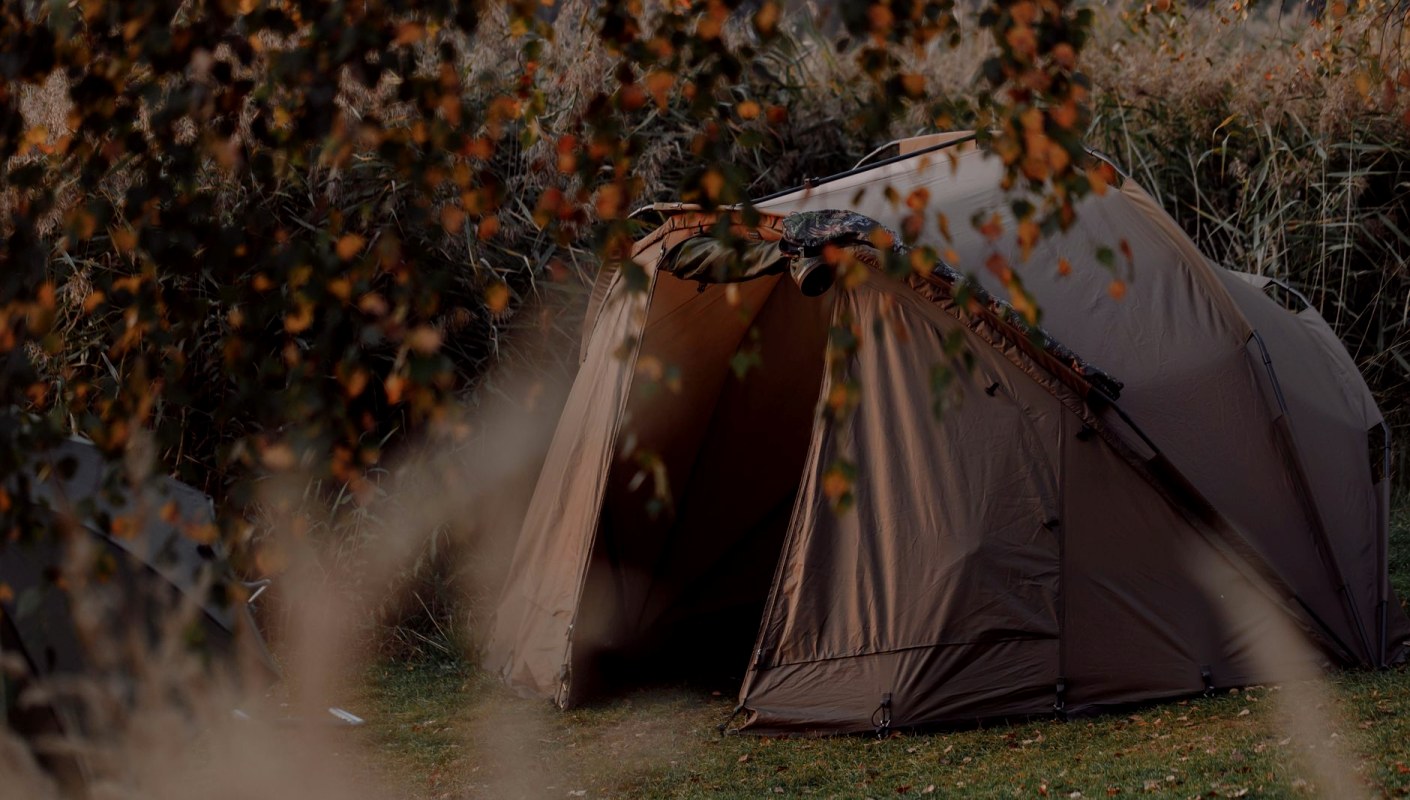
Marcus produces a regional news programme, and in the middle of the autumn he rang us about a live segment from a village green that had no broadcast infrastructure at all. The plan was a short outside report, preceded by a rehearsal, with the finished feed going back to his studio in the format his gallery requested.

What worried him was not the camera work. He had been caught before by a location where the power sagged and the link dropped at the worst moment. He asked a plain question: could we make the temporary setup behave like a permanent one for a couple of hours? That question shaped everything that followed, and it is why I am telling this one as a story rather than a method.

Walking the site before anything arrived

Helen and Daniel visited the green a few days ahead. They paced out the cable runs from the position Marcus wanted for the camera to the spot where we could shelter the monitoring gear, and they noted where the ground was soft and where people would walk during the event.

The mains supply came from a village hall some distance away, so a long run was unavoidable. Daniel marked where it would cross a footpath and asked for covers rather than hoping nobody would trip. This is the unglamorous part of outside broadcast support, and it decides whether the day is calm. Nothing was assumed; everything that could be measured on the visit was measured.

Power, cabling and the backup nobody sees

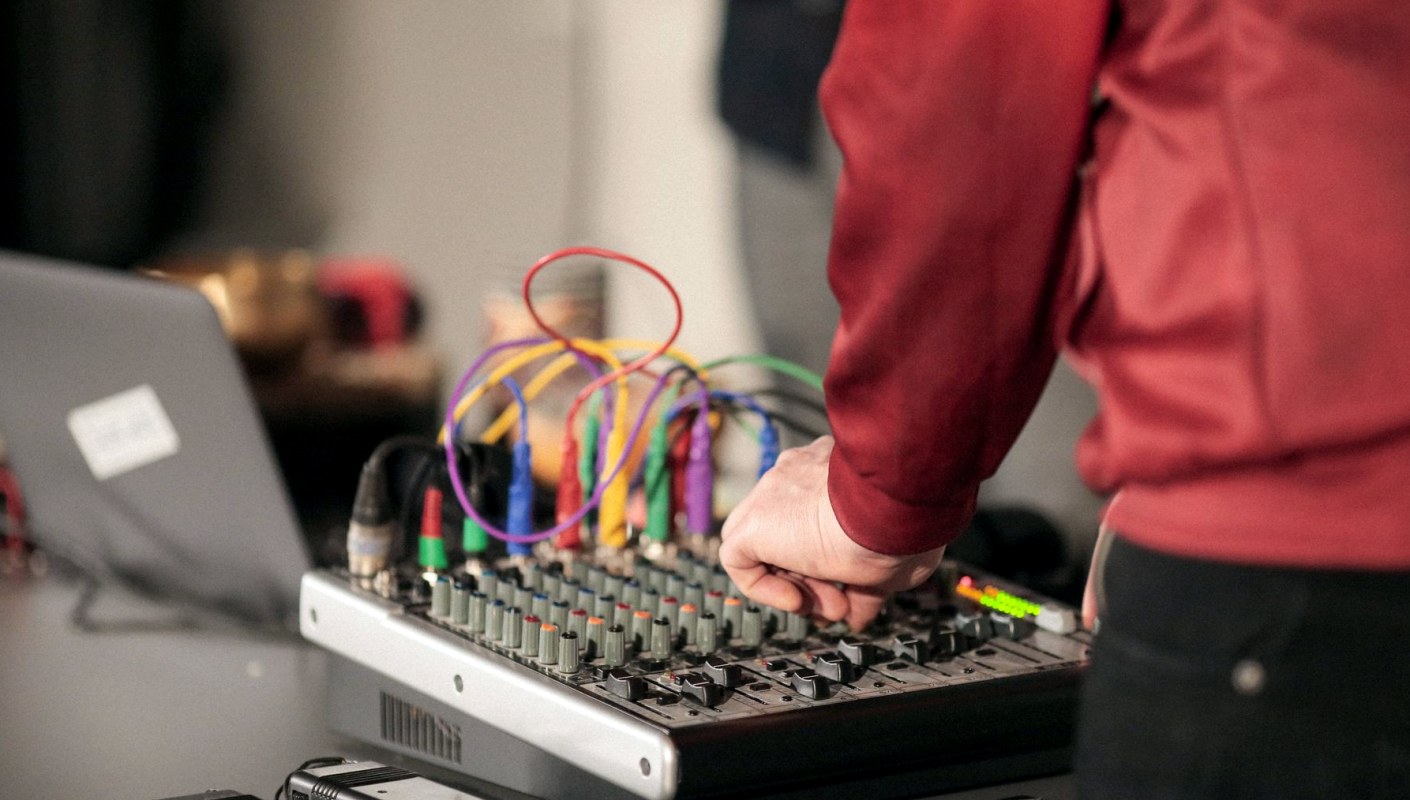
On the morning we laid the cabling early, before the crowd arrived, and tested each length rather than trusting it. Power went through a conditioned supply with a second source ready, so that a dip at the hall would not take the camera or the encoder down with it.

The signal itself had a main route and a reserve route, set up by Daniel and checked against each other before Marcus's team called in. Priya here means me: my part was confirming with his gallery which format and delivery window they wanted, so there was no scramble over settings once the feed was live. Few of these precautions are visible on screen, which is rather the point of them.

  • Cable runs tested end to end before the crowd arrived
  • Conditioned power with a second source on standby
  • Main and reserve signal routes compared before going live

What happened when the weather turned

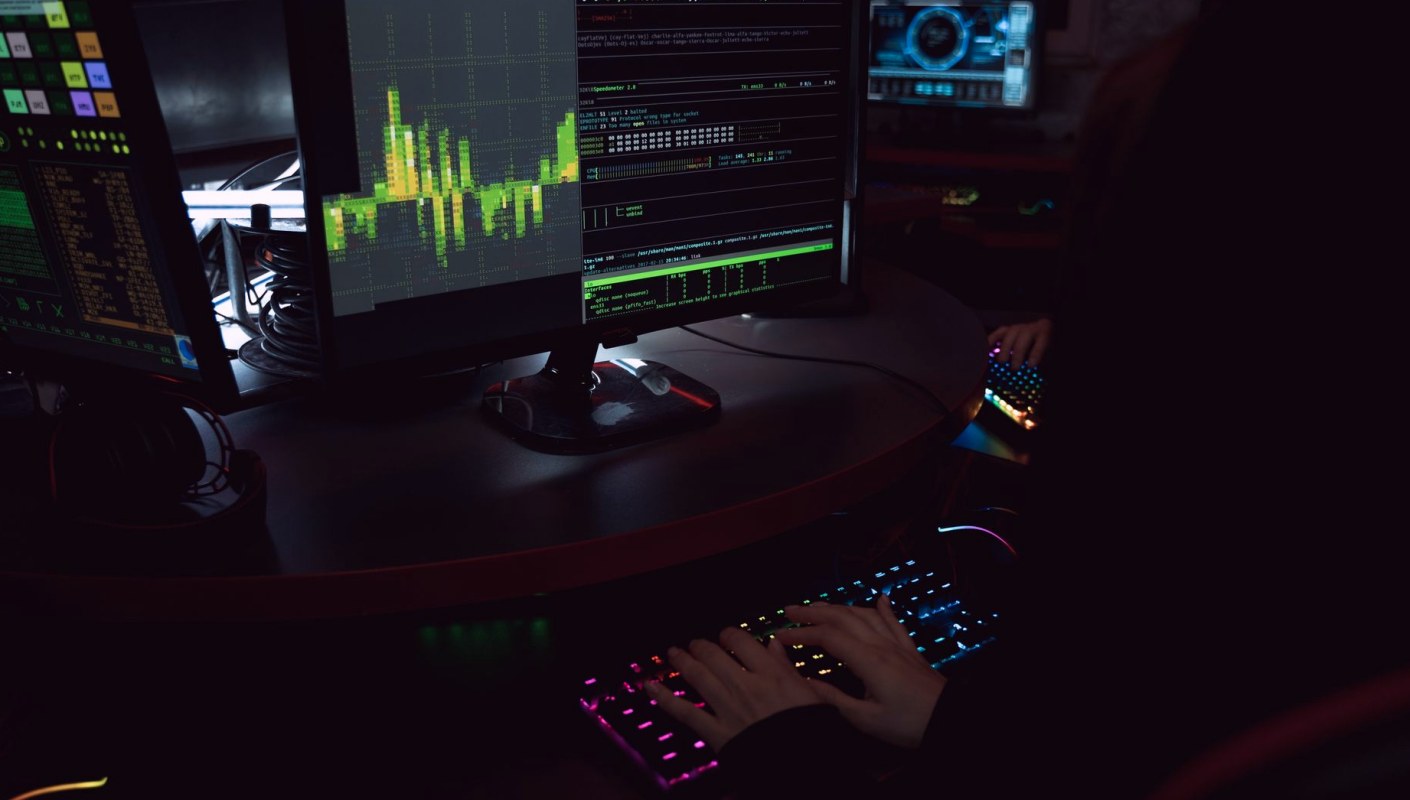
Ten minutes before the segment a cold squall came across the green, and with it a drop in the mobile network strength on the main route. Remote monitoring showed the change almost at once, long before anything looked wrong in the picture, and Daniel moved the feed to the reserve path while the rehearsal was still running.

Marcus saw none of it on his monitors. The reporter went to air on schedule, the picture held, and the only sign of trouble was a short note on our log. He told us afterwards that he had expected to spend the segment watching the clock, and instead spent it watching the story. That is as much as we ever hope to give a producer on location.

Handing over and packing down

After the segment we kept the feed up for a few minutes in case the studio wanted a retake, then confirmed the handover in writing and let Marcus's team stand down. Only then did we start coiling cable, working back from the camera position so that the footpath crossing was cleared first.

Packing down is part of the service rather than an afterthought. Ground was left as we found it, covers collected, and a short summary of what had been used and which route had carried the feed was sent to Marcus the same afternoon. He keeps it with his production notes, and it saves both of us a long conversation the next time he needs a location.

What we took from the job

Every location teaches something, and this one reinforced a few habits we already held. Visiting beforehand pays for itself. A second route is cheap compared with a lost segment. Monitoring that someone is actually watching matters more than monitoring that merely exists.

There was also a smaller lesson about conversation. Marcus's first question was about reassurance, not equipment, and answering it honestly, including what could go wrong and what we had prepared for, did more than any list of kit could. When a producer calls with a field and a deadline, the first useful thing we can offer is a plain account of how the day will be protected.

  • Visit the location before the day, not on it
  • Keep a second route ready and test it
  • Have someone watching the monitoring throughout

Marcus has since booked us for two more location reports, and each time we begin the same way: a visit, a plan for power and cabling, and a reserve route nobody expects to use. Outside broadcast support is mostly preparation, and the day itself should feel almost uneventful. If you have a field, a hall or a quayside in mind, tell us what the feed needs to do and we will describe how we would hold it.
Written by

Priya Nair

Distribution Coordinator

Priya schedules deliveries to broadcasters and checks formats before each handover.

You may also like

Ask for a quote

Email: hello@zoryli.com