
zoryli
Blog Company news

Signal Management at zoryli: how we route, watch and back up a live feed

Helen Marsh

6 min read

A look at how our signal engineering is organised for the autumn season: the routing we build, the monitoring we keep running and the backup paths that stay ready behind every live feed.

Signal Management at zoryli: how we route, watch and back up a live feed

What signal management means for a live feed

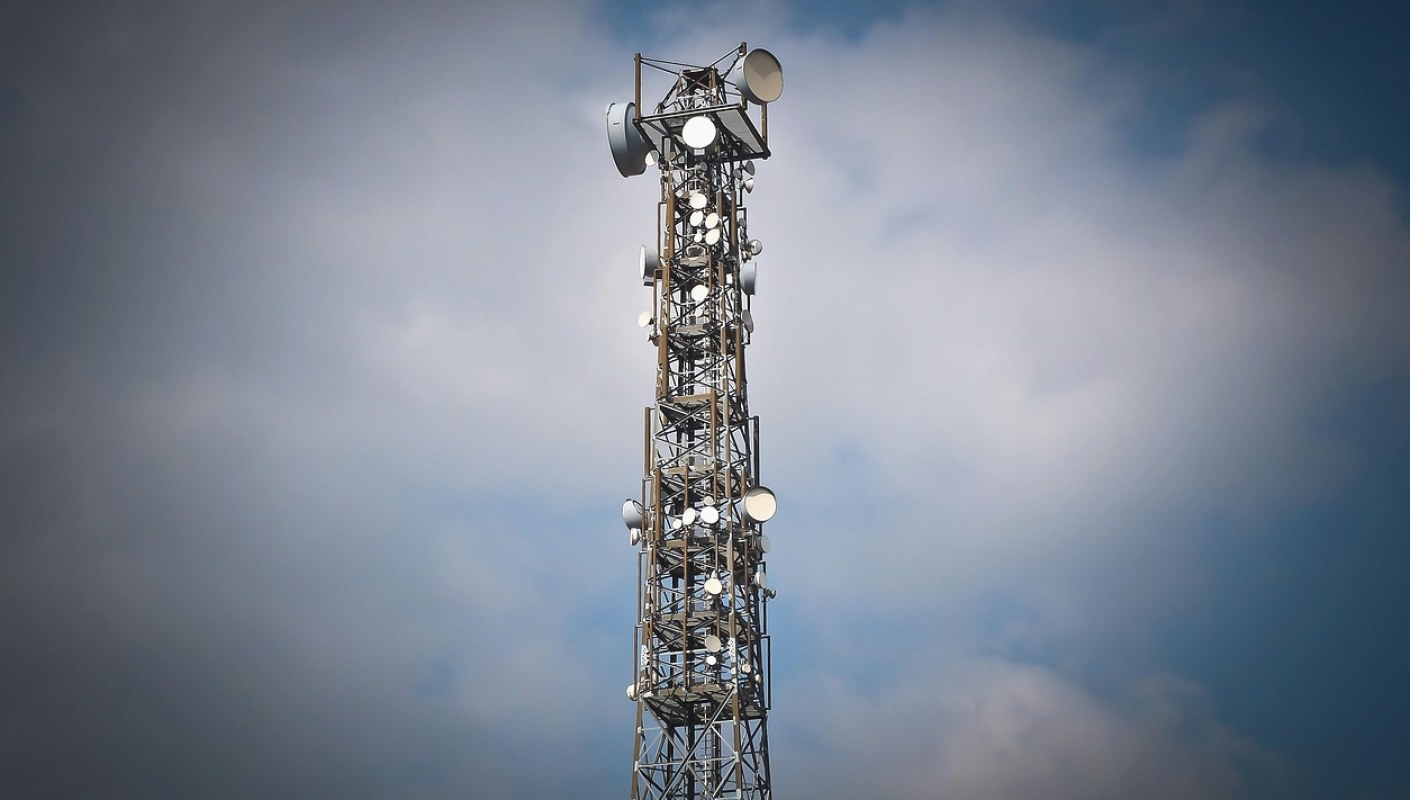
Signal management is the part of a broadcast that audiences never notice when it works. It covers the route a picture and its sound take from the camera to the broadcaster's gallery: the cables, the converters, the routers, the links and the checks along the way. At zoryli it is the job of our signal engineering side, led day to day by Daniel Whitcombe.

I am writing this as Head of Video Operations because the crews I direct depend on it every time we go live. A camera operator can frame a perfect shot, and a vision mixer can cut it on the beat, but if the signal drops for two seconds none of that reaches the screen. Our service exists to remove that risk as far as practical.

This note explains how the service is organised now that the autumn schedule of stage events and news work is under way.

Routing: planning the path before anyone arrives

Every job starts with a written signal plan. It lists each source, where it enters the chain, which formats it uses and where it must end up. Daniel draws the route from the camera positions to the point of delivery and marks every device the signal passes through. If a broadcaster asks for a particular format at handover, the plan shows where the conversion happens and why.

We prefer short, simple routes. Each extra hop is another place for something to fail, so we remove steps that do not earn their place. Cable runs are labelled at both ends, and the labels match the plan, so anyone on the crew can trace a line quickly if a problem appears.

The plan is shared with the client before the day. News producers and event organisers can see what we intend to build and tell us early if a requirement has changed.

  • Sources, formats and destinations listed in one document
  • Conversions placed deliberately and noted in the plan
  • Cables labelled to match the plan at both ends

Monitoring: watching the feed rather than trusting it

Once the routing is built, we do not assume it will hold. A feed is monitored at more than one point, so we can tell whether a fault began at the camera, in the middle of the chain or at the delivery end. A single screen at the end of the line only tells you that something is wrong, not where.

During rehearsal we check picture, sound and sync at each monitoring point and note the levels we expect to see. That gives the engineer a reference for the live show. When a reading drifts from it, the cause can be looked at before the audience notices anything.

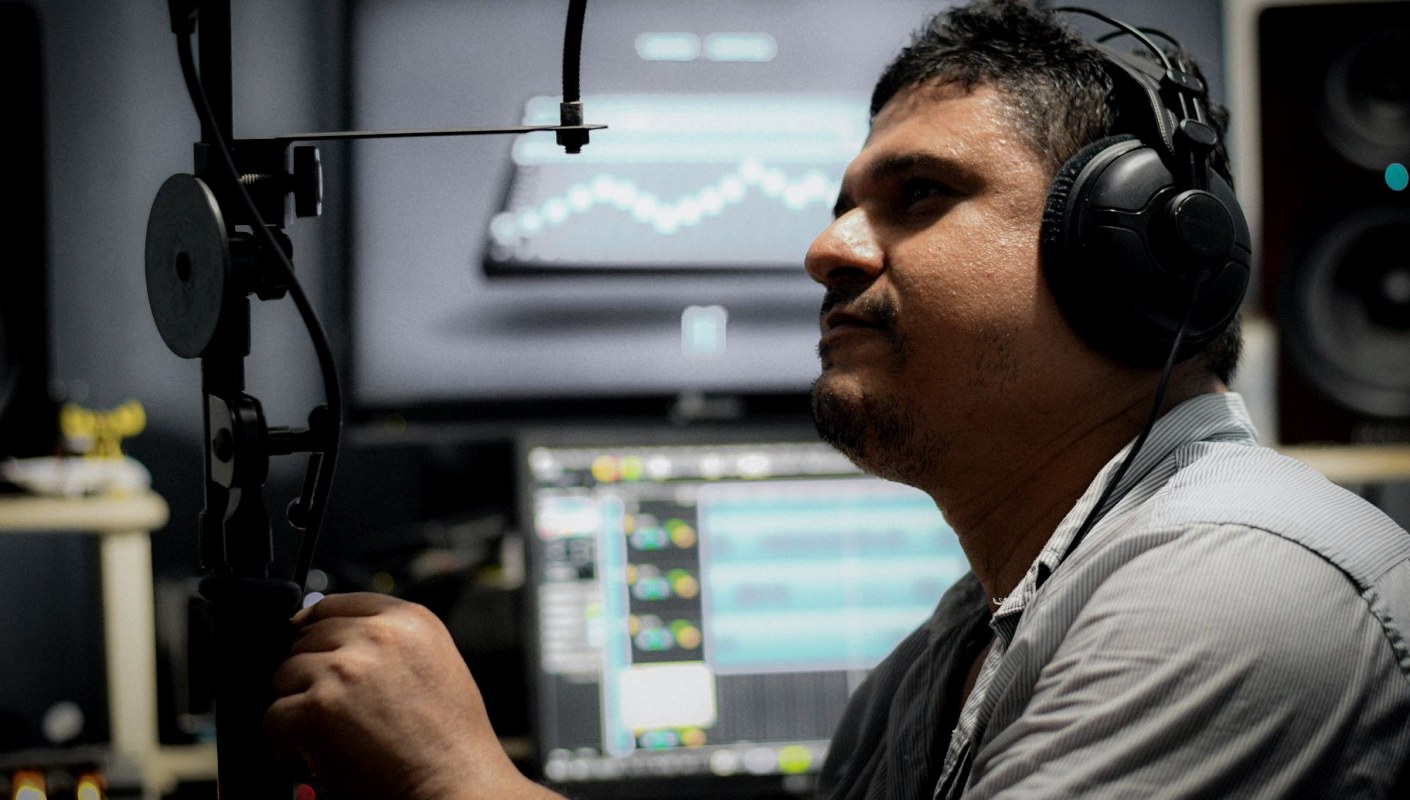
The monitoring position is staffed throughout a live feed. Nobody on that desk is also asked to run a camera or cut vision, because attention is the thing monitoring depends on and it cannot be shared well.

  • Checks at several points along the chain, not only at the end
  • Rehearsal readings kept as a reference for the live show
  • A dedicated person on the monitoring desk for the whole feed

Backup: the second route that stays ready

Backup is the part of the service people ask about most. Where the job allows it, we prepare a second path alongside the main one, so that a failed link or a faulty unit does not take the feed off air. The backup is built and tested in advance, not improvised once the first route has failed.

Switching to it is a rehearsed step. Daniel and the crew agree beforehand who makes the call, what triggers it and how the change is confirmed with the broadcaster. Under pressure, a short and familiar procedure is easier to follow than a clever one.

How much redundancy a job gets depends on the venue, the available links and the client's needs. We discuss that openly at the planning stage rather than promising more than a location can support.

What we have been preparing for the autumn weeks

These weeks bring earlier darkness, damp air and longer days on location, and all three affect signal work. Moisture is hard on connectors and outdoor cabling, so we have gone back through our spare leads, weather covers and cable protection, replacing anything that shows wear. Cold evenings also mean equipment is moved between heated vehicles and open stages, which is where condensation can cause trouble.

We have also reviewed our backup links and re-tested the routes we use most often. The point is to find a weak connector or a tired unit in the workshop, not on a festival field with a broadcaster waiting.

Daniel has updated the signal plan templates so that every new job begins from the latest checked version.

  • Connectors and weather covers inspected and replaced where worn
  • Backup links re-tested before the busy weeks
  • Signal plan templates brought up to date

Working with us on your next feed

If you are a news producer, a broadcaster or an event organiser, the simplest way to start is to tell us what you need to send, from where and to whom. We will come back with a signal plan, a view on monitoring and backup, and a written quotation. Our prices page sets out what the service costs and what changes it.

Signal management can be booked alone or alongside live video operation, camera crews and outside broadcast support. When it sits within a wider job, our crews and engineers plan together, which saves repeated explanations on the day.

Enquiries go through the contact page. Describe the event, the date and the delivery format, and we will reply with questions where details are missing.

A live feed stays on air because someone planned its route, watched it closely and prepared a second path before it was needed. That is the whole of signal management, and it is how we approach each job at zoryli. If you have a feed to deliver this season, send us the details through the contact page and we will talk it through.
Written by

Helen Marsh

Head of Video Operations

Helen has directed live feeds for stage and news events for over a decade. She leads the camera and vision teams.

You may also like

Ask for a quote

Email: hello@zoryli.com