
zoryli
Blog Methods

What We Pack for a Temporary Feed Setup on Location

Priya Nair

6 min read

A look at the cabling, power and monitoring kit that goes into every outside broadcast job, and why we choose each piece the way we do before a crew leaves Ipswich.

What We Pack for a Temporary Feed Setup on Location

Starting from the venue, not the van

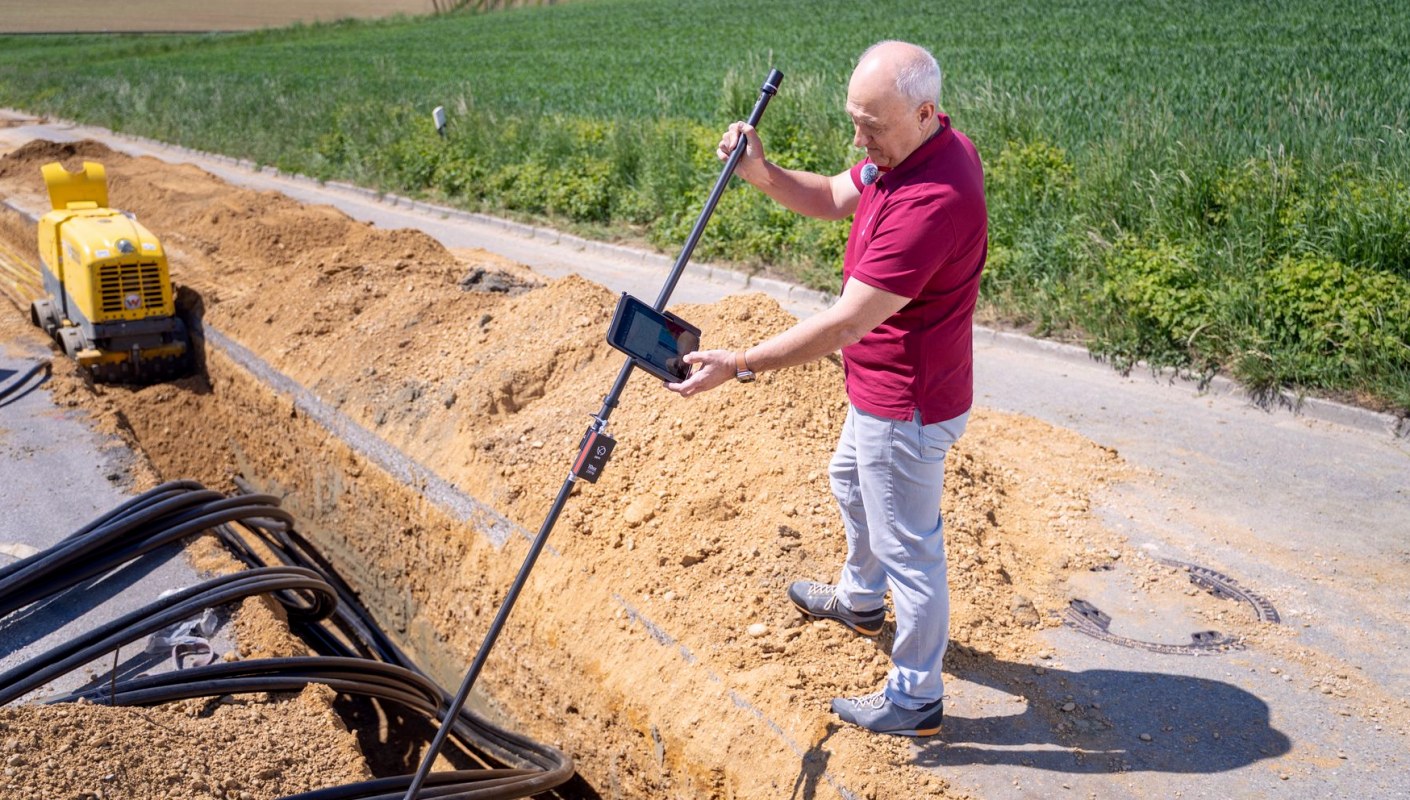
Every location setup begins with a plain question: what does this site give us, and what must we bring? A field, a town hall and a seafront stage offer very different things. Before anything is loaded, we look at the access route, the distance between the camera positions and the point where the feed leaves the site, and where mains power is available. That distance decides almost everything else, from cable length to how many spares ride in the vehicle.

I write the first version of the kit list from the venue notes the organiser sends, then Daniel Whitcombe checks it against the signal path he has drawn. If a recce is possible we walk the route ourselves. If it is not, we ask for photographs of the cable runs and the proposed equipment position. A list built this way is shorter than a generic one and far less likely to leave us short at the worst moment.

Cabling that survives a crowd

Cable is the part of a temporary setup that fails most often, so we treat it with respect. We use broadcast-grade cable on drums wherever a run is long, and we keep connectors protected until the moment they are needed. Every run is labelled at both ends with the same short reference that appears on the signal diagram, so anyone on the crew can trace a fault without guessing.

Where cable crosses a path used by the public, it goes under ramps or is lifted overhead, never taped flat and left to chance. Tape is useful, but it is a tool for neatness, not for safety. We also keep each camera run separate from power runs where we can, because mixing them is an easy way to introduce hum or interference into a picture that was clean in rehearsal.

  • Label both ends of every run with the diagram reference
  • Cover or lift any cable crossing a public path
  • Keep signal and power runs apart wherever the site allows
  • Carry spare lengths of each type in a marked case

Power is a signal path too

We plan power with the same care as video. A feed is only as steady as the supply behind it, and event sites can offer mains that is shared, long-run or simply uncertain. We bring distribution units with proper protection, and for the equipment that must never drop out, such as encoders and routing, we use battery backup that gives us time to react rather than a clean shutdown we did not ask for.

Before the doors open we test the supply under the load we expect, not an empty circuit. We also note where the generator, if there is one, is positioned and who looks after it, because the person refuelling it matters to us as much as the person holding the camera. A named contact on site for power has saved more than one broadcast on a cold evening.

Watching the feed from somewhere else

Remote monitoring lets us see what the receiving end sees. We set up a return view so that someone, either on site or back in the office, can confirm that the picture and sound arriving at the broadcaster match what left the camera. Without it, a fault can sit unnoticed for minutes, and minutes are long on a live programme.

The monitoring position is deliberately separate from the control position when the crew size allows it. A fresh pair of eyes catches a frozen frame or a dropped audio channel faster than the operator who has been looking at the same screen for an hour. We agree beforehand who speaks to whom if something looks wrong, so the call is short and nobody has to ask who is in charge.

The small items that earn their place

Much of what we carry is unremarkable. Gaffer tape in two colours, spare batteries, cable ties, a torch for each person, a printed copy of the signal diagram and the running order in a waterproof sleeve. In mid autumn we add covers for equipment and dry cases, because a damp field is more of a threat to a connector than a technical fault.

We have learned to keep a short written checklist for loading and another for packing down, and to follow both even when the day has been long. Items left on a site are an inconvenience, but items left unchecked on the way in cause real trouble. Priya and the crew run the same list in the same order each time, which keeps the routine quiet and predictable.

  • Printed diagram and running order in a waterproof sleeve
  • Spare batteries labelled with their charge date
  • Weather covers for racks and connectors
  • A torch for every crew member

Testing before anyone is watching

The last stage is a full test of the whole chain, from each camera to the point of delivery, ideally at the time of day the event will run. Light changes, power draw changes and crowds change radio conditions, so a test at noon can mislead us about an evening show. We run the feed for long enough to see whether anything drifts or drops.

Once the chain holds, we record what we found in a short note: which routes were used, which spares were opened and what we would change next time. That note goes into the file for the venue. When we return, or when another crew visits, the lessons from the previous setup are already there, and the next feed starts from a better place than the last one.

Good location work is mostly preparation that nobody sees: a kit list built from the venue, cable that is labelled and protected, power planned as carefully as picture, and monitoring that watches from a second position. None of it is clever, and all of it is repeatable. That is the point. When the setup is dull and predictable, the crew can give their attention to the programme instead of the equipment.

Written by

Priya Nair

Distribution Coordinator

Priya schedules deliveries to broadcasters and checks formats before each handover.

You may also like

Ask for a quote

Email: hello@zoryli.com