zoryli
Blog Live Video

Two Ways to Run a Live Stage Feed: One Mixer or a Split Desk

Helen Marsh

5 min read

A comparison of running a concert or festival feed from a single vision mixer position against splitting vision and replay across two desks, with a clear recommendation for each size of event.

Two Ways to Run a Live Stage Feed: One Mixer or a Split Desk

The choice in front of an organiser

Most live events we are asked about come down to one practical question before the first cable is laid: should one operator cut the whole show, or should vision mixing and replay sit at separate desks? Both approaches work. Both have been used on stages across the region, and both can produce a clean, steady feed. The difference lies in how much the event asks of the person at the desk and what happens when something goes wrong.

This note compares the two options as we run them in Live Video Operation, which covers vision mixing, camera direction and replay handling for concerts, festivals and stage events. I will describe how each one feels on the night, where each is strong, and where I would not use it. The recommendation comes at the end, and it depends on the event rather than on a preference for equipment.

Option one: a single mixer position

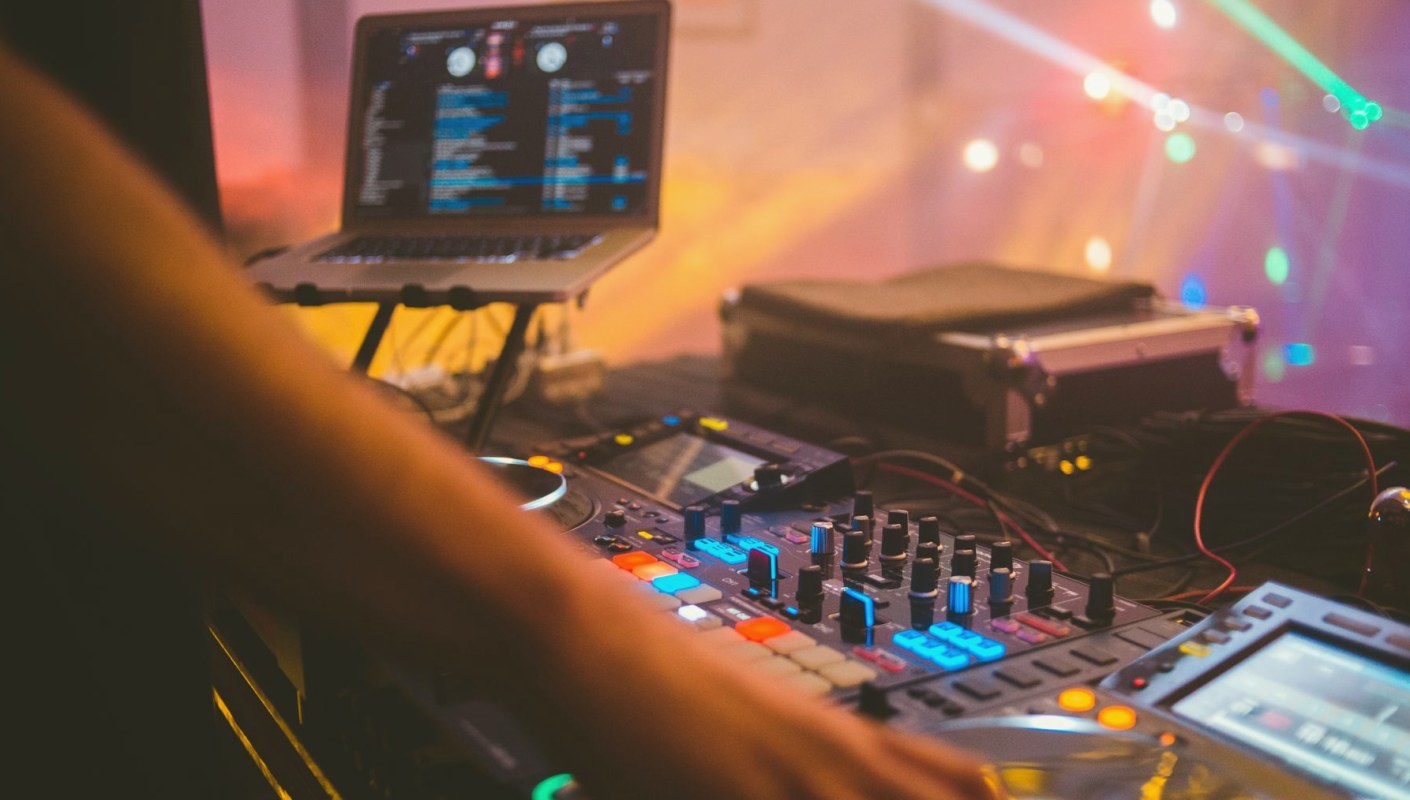
In the first arrangement, one operator takes the camera feeds, cuts between them, and also triggers any replay clips from the same position. The operator sits with the camera director or acts as one, so decisions about the next shot are made in one head. This suits shows with a predictable running order: a seated concert, a single-stage evening, a short programme with a few acts and long gaps between them.

The strengths are speed and consistency. There is no handover of instructions between desks, so a cut happens when the operator decides it should. The set-up is also lighter, needing less space, less power and fewer monitors, which matters in a village hall or a tented venue. Costs stay modest because one person is carrying the work.

  • Fewer people to brief and to seat in a cramped control area
  • Quicker cuts, since one person makes every decision
  • Smaller footprint for cabling, power and monitoring

Where the single position starts to strain

The weakness appears when the show gets busy. A fast festival set with five or six cameras, crowd shots and a replay requested after every key moment asks one operator to watch the programme output, preview the next shot and cue a clip, all within a few seconds. Attention is finite, and the first thing to slip is usually the preview, which is how a wrong camera ends up on air.

I have seen competent operators manage a demanding hour this way, but it leaves no margin. If a camera drops out or the running order changes, the same person has to fix it while the show continues. For events where a missed moment is costly, such as a broadcaster expecting a clean feed, we treat a single position as the exception rather than the rule.

Option two: vision and replay on separate desks

The second arrangement divides the work. One operator mixes the live cameras. A second handles replay, logging moments as they happen and preparing clips so they are ready when the director asks. A camera director, often the same person as the mixer or a third voice on talkback, calls the shots. The mixer stays focused on the programme feed, and the replay operator stays focused on what has already happened.

The gain is headroom. When the event speeds up, the work is shared rather than compressed. A replay can be built carefully instead of rushed, and the mixer is never pulled away from the live picture to find a clip. The cost is more people, more equipment at the desk, and a need for clear talkback discipline so that instructions are short and unambiguous.

  • Replay prepared in advance, not assembled under pressure
  • Mixer attention stays on the live picture throughout
  • A second person who can cover if the first loses a source

Our recommendation, by size of event

For a seated concert, a small stage with up to about three cameras, or an event where replay is occasional, we recommend the single position. It is quicker to set up, simpler to brief and entirely adequate when the pace allows. Adding a second desk to that kind of show adds cost without improving what the viewer sees.

For a festival stage, a multi-camera music event, or anything feeding a news programme or broadcaster that expects consistent output, we recommend the split desk. The extra operator pays for itself the first time the running order changes mid-set. Where an organiser is unsure, we ask about the number of cameras, the number of acts and how often replay will be used, and the answer usually settles it.

  • Up to three cameras, occasional replay: single position
  • Four or more cameras, frequent replay: split desks
  • Feed going to a broadcaster: split desks by default

What to settle before the event

Whichever option you choose, the quality of the feed depends on decisions made well before the doors open. Agree the running order and any likely changes with the production lead. Tell us how many cameras you expect and where they can be placed. Say whether the output is for a screen in the venue, a recorded programme or a live delivery to a broadcaster, because that changes how much margin we build in.

Walk the venue with us if you can, even briefly. Sightlines, cable runs and the position of the control desk are easier to judge in person than from a plan. In these autumn weeks, with shorter daylight and more indoor and tented events, power and lighting conditions are worth raising early, since they affect camera choice and the time needed to rehearse.

Neither arrangement is better in the abstract. A single position is the sensible choice for a modest, predictable show, and a split desk is the sensible choice when the pace, the number of cameras or the destination of the feed leaves no room for error. If you tell us about your event, we will say plainly which one we would use and why.
Written by

Helen Marsh

Head of Video Operations

Helen has directed live feeds for stage and news events for over a decade. She leads the camera and vision teams.

You may also like

Ask for a quote

Email: hello@zoryli.com